

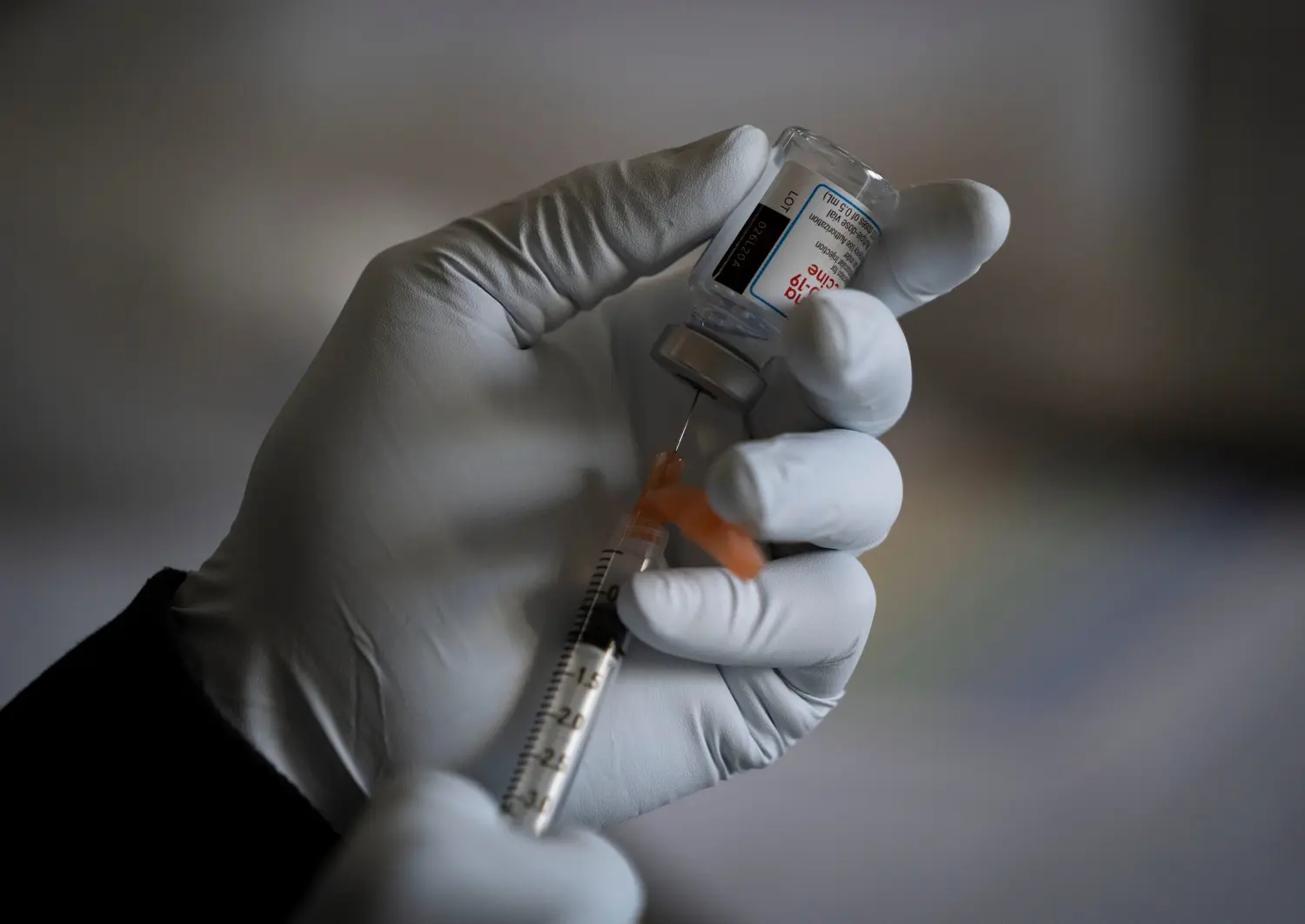
Vaccination is one of the most powerful tools in public health, saving millions of lives each year and helping to prevent the spread of infectious diseases. However, the effectiveness of vaccinations is not solely determined by their availability or the sheer number of people vaccinated. A carefully structured vaccination schedule is equally crucial for ensuring that individuals, especially children, receive their vaccines at the optimal time for maximum protection. Experts in immunology, pediatrics, and epidemiology have emphasized that the timing, frequency, and combination of vaccines are vital for long-term success in disease prevention. Understanding the science behind vaccination schedules and how they contribute to individual and public health can provide invaluable insights into this essential aspect of healthcare.
The Importance of Timely Vaccination
Vaccines work by stimulating the immune system to recognize and fight pathogens without causing the disease itself. For many vaccines, the timing of administration plays a critical role in maximizing their effectiveness. Immunization schedules are carefully designed to provide protection during vulnerable periods, particularly for infants, children, and adolescents who are at greater risk of severe disease.
Experts agree that the primary goal of vaccination schedules is to build immunity early in life, when the immune system is still developing. The Centers for Disease Control and Prevention (CDC) and the World Health Organization (WHO) have developed guidelines for vaccination based on research that tracks the most effective ages for administering specific vaccines.
For example, babies are born with some immunity passed from their mothers, but that protection wanes over time. By six months of age, infants are especially susceptible to diseases like whooping cough, polio, and meningitis. As a result, vaccines are introduced early to ensure they are protected before they face these risks. This early immunization ensures that children develop a strong immune response and are less vulnerable to severe outcomes from infections.
Routine Childhood Immunization Schedules
The childhood vaccination schedule has been a cornerstone of public health for decades, significantly reducing the incidence of preventable diseases. The CDC recommends a series of vaccines that are typically administered in combination, reducing the number of shots needed while providing protection against multiple diseases. For instance, the DTaP vaccine, which protects against diphtheria, tetanus, and pertussis (whooping cough), is given in a series of five doses—at 2, 4, 6, 15–18 months, and 4–6 years of age.
One of the key benefits of these early vaccines is that they provide long-term protection throughout childhood and into adulthood. Vaccination schedules have been carefully crafted not just to protect children immediately but also to ensure immunity lasts for many years. Some vaccines, like the measles, mumps, and rubella (MMR) vaccine, confer protection for life, reducing the risk of outbreaks later in life.
The immunization schedule is also designed to provide a combination of vaccines at each visit, minimizing the number of appointments needed and reducing the chance that any doses will be missed. This streamlined approach is one of the reasons why vaccination schedules are associated with such high success rates in disease prevention.
The Importance of Booster Shots
While vaccines provide vital protection during childhood, immunity from some vaccines can diminish over time. This is where booster shots come into play. Booster shots are periodic doses of a vaccine that “remind” the immune system about a specific pathogen, renewing the body’s ability to fight off infection.
For example, the tetanus and diphtheria vaccine, which is administered in childhood, requires a booster every 10 years to maintain immunity. Similarly, the flu vaccine is recommended annually because the virus changes from year to year, making it necessary to adapt the vaccine to match circulating strains.
Experts in immunology stress that booster shots are an essential component of long-term vaccine success. They ensure that individuals remain protected against diseases that might otherwise cause significant health risks later in life. In addition, booster programs are particularly important for at-risk populations, including the elderly, pregnant women, and those with compromised immune systems.
Vaccination in Adolescence and Adulthood
Vaccination doesn’t stop after childhood. Adolescence and adulthood come with unique health challenges, which experts say require continued attention to immunization. During adolescence, vaccines such as the human papillomavirus (HPV) vaccine and the meningococcal vaccine are crucial. The HPV vaccine, for instance, is recommended for children aged 11–12, with a catch-up period extending into the late teens and early twenties, depending on the individual’s risk factors.
Meningococcal diseases, which can cause severe infections like meningitis, are also a significant risk for adolescents, and the meningococcal vaccine provides essential protection. These vaccines are important not only for individual health but also for community protection, as adolescence is a time when people are more likely to interact in large groups, such as in high schools or universities, increasing the risk of transmission.
In adulthood, vaccination remains a critical consideration, particularly for certain groups. Healthcare workers, pregnant women, and individuals with chronic health conditions are at higher risk for certain infections and are advised to follow specific vaccination schedules. The flu vaccine, for instance, is universally recommended for adults every year, with additional vaccinations for diseases like shingles or pneumococcal infections for older adults.
Experts suggest that vaccination schedules should evolve to keep pace with emerging health challenges. For example, recent trends in global travel and climate change have led to a rise in diseases that were once confined to specific regions. The spread of diseases such as COVID-19, measles, and dengue highlights the need for adaptable, evidence-based vaccination schedules that can respond to new threats.
The Global Perspective: Standardized Vaccination Schedules
In addition to national vaccination schedules, the global community recognizes the importance of immunization in preventing disease outbreaks and promoting public health. The World Health Organization (WHO) collaborates with countries to implement standardized vaccination schedules that help protect populations from infectious diseases. Through initiatives like the Global Vaccine Safety Initiative and the GAVI Alliance, WHO supports countries in ensuring that vaccines are accessible, safe, and administered according to established schedules.
One of the significant achievements of global vaccination efforts is the near-eradication of diseases such as polio. Thanks to widespread vaccination programs, polio has been reduced to just a handful of countries, with a global goal of complete eradication. Similarly, the introduction of vaccines for diseases like pneumonia, rotavirus, and hepatitis B has had a profound impact on reducing mortality rates in developing countries.
Experts agree that continued investment in global vaccination efforts is essential for ensuring long-term success. Vaccination programs not only protect individuals but also create herd immunity, helping to protect vulnerable populations who cannot be vaccinated due to medical reasons.
Conclusion: The Key to Long-Term Health
Vaccination schedules are a vital component of long-term public health strategies. The science behind these schedules ensures that vaccines are administered at the optimal times to provide both immediate and lasting protection against a range of diseases. From early childhood to adulthood, experts emphasize that following these carefully designed schedules is crucial for individual health, as well as the health of the community.
As our understanding of immunology continues to evolve, so too will the vaccination schedules of the future. New vaccines will be introduced, and existing ones may be adapted to meet emerging challenges. However, the foundational principle remains the same: timely, strategic vaccination is one of the most effective tools for ensuring long-term success in disease prevention and safeguarding public health.