

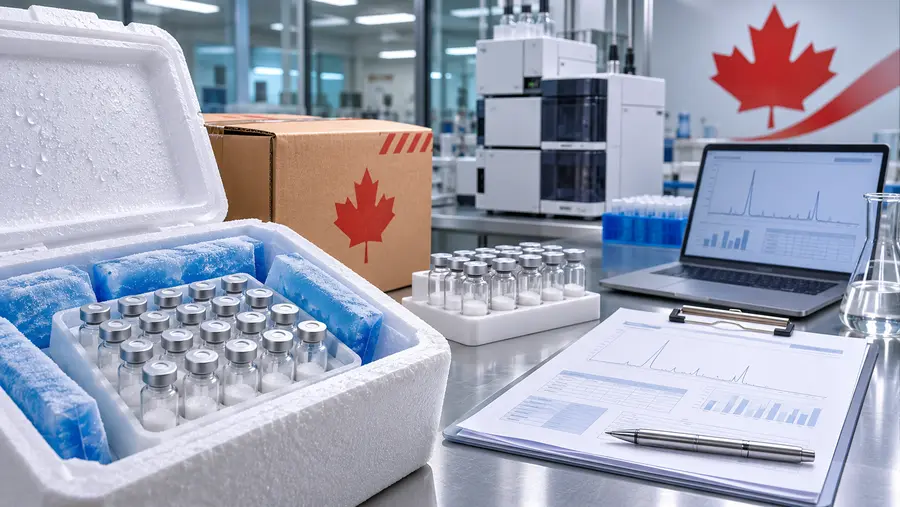
Sourcing research peptides is a technical decision that can influence every stage of a laboratory project. A low price or familiar compound name does not establish that a material is suitable for a study. Researchers need to confirm the product identity, understand the amount and format being supplied, connect analytical documents to the relevant batch, and evaluate how the material will be shipped, received, stored, and recorded. A consistent purchasing process helps the laboratory compare suppliers fairly and protects the traceability of its work.
Researchers looking for peptide-related laboratory materials can explore product specifications and documentation before making comparisons. Pandapeptide offers a catalogue of research-use peptide products, including individual compounds and blends. The website provides product descriptions, available options, and documentation details to help qualified researchers identify materials relevant to their laboratory investigations and scientific research interests.
Start With the Requirements of the Study
The purchasing process should begin with the protocol. The research team should identify the exact compound, form, amount, and number of experimental runs it expects to complete. It should also establish the documentation and handling requirements that must be satisfied before a material can enter the study.
This step prevents an attractive listing from shaping the research question after the fact. A premixed blend may suit a study of a fixed combination, while separate compounds may be better when researchers need to adjust the concentration of each component independently. A large vial may appear economical, but smaller units may fit a protocol better if repeated handling would create unnecessary variability.
The team should create a short specification sheet before comparing products. It can list the complete compound name, relevant structural qualifier, required quantity, preferred format, analytical documentation, shipping needs, and internal acceptance criteria. The same sheet can then be used for every supplier under consideration.
Confirm the Exact Product Identity
Peptide names are sometimes abbreviated, and closely related forms may appear under similar catalogue titles. Researchers should record the complete name shown on the product page and compare it with the identity specified in the protocol. Qualifiers such as “No DAC,” sequence variants, salt forms, or terminal modifications can matter to experimental design.
Where available, molecular information and sequence details can help confirm that the material matches the intended research compound. Product descriptions should be checked for inconsistencies between the title, specification table, vial label, and linked documents. Any ambiguity should be resolved before purchase rather than left for the laboratory team to interpret after delivery.
The product identity should also remain consistent throughout internal records. Purchase orders, receiving logs, inventory systems, preparation sheets, and final reports should use the same master name. Short internal codes are useful, but they should always map back to the complete identity and batch.
Understand Vial Sizes and Package Options
A catalogue may offer several vial sizes, multipacks, or blend configurations. Researchers should determine whether the listed amount refers to one vial or the full package. For blends, the amount of every component should be recorded separately. A total blend amount cannot support accurate concentration calculations unless the individual composition is known.
The best size depends on the protocol. Researchers should estimate the amount needed for preliminary work, definitive experiments, controls, expected preparation loss, and any planned repeat. Ordering too little may force a later run to use another batch. Ordering far more than required can create storage and stability concerns.
Package pricing should be compared on a like-for-like basis. The cost per vial or stated unit can be useful, but it should not override documentation quality, batch consistency, or suitability for the study. Shipping charges, delivery time, and any minimum order threshold should be included in the full purchasing comparison.
Read the Analytical Documentation Properly
A certificate or laboratory report only supports the measurements it actually contains. Researchers should identify the sample name, batch number, test date, method, and reported result. The batch on the document should match the material being considered. A generic report or a report from another batch may provide background, but it does not document the specific lot used in the experiment.
Identity, purity, and quantity should be treated as separate questions. A report indicating identity does not by itself establish the amount in the vial. A purity result does not establish sterility, and an amount measurement does not answer every question about impurities. Laboratories should define which tests are necessary for their particular research context.
Full reports are preferable to isolated figures copied into a product description. A complete document may include the sample identifier, method, chromatogram, instrument details, verification information, and explanatory notes. Researchers should download or archive the report at the time of purchase because online documents may be updated when a new batch is introduced.
Evaluate Transparency and Traceability
A useful supplier listing makes it reasonably clear what the product is, how much is supplied, which batch has been tested, and where supporting documents can be reviewed. Contact information and a process for asking technical questions also matter. When a detail is missing, the response should be evaluated for clarity and consistency.
Researchers can prepare the same questions for each supplier. Which batch will be shipped? Does the posted report apply to that batch? What storage condition is specified before and after preparation? How is the shipment packaged? What happens if the received label or vial does not match the order?
Documenting the answers makes the comparison less subjective. It also creates a record of the information available when the purchasing decision was made. That record can be valuable if a product page later changes or a new member of the team reviews the study.
Consider Shipping Within Canada
Domestic sourcing may simplify delivery timelines, but the laboratory should still examine the shipping process. The product page or supplier should explain the dispatch method, tracking availability, packaging, and expected delivery window. Researchers should consider whether weekends, holidays, severe temperatures, or delays could affect receipt.
The receiving team should know that a research shipment is expected. When it arrives, staff can record the date and time, inspect the external packaging, check the vial condition, confirm the product and batch, and move the material into the required storage environment. Any concern should be photographed and reported before the material is opened.
If temperature control is part of the laboratory’s acceptance criteria, the team should define how it will assess the shipment. Packaging that feels cool is different from a documented temperature history. The required level of monitoring depends on the laboratory’s procedure and the sensitivity of the material.
Create a Formal Receiving and Release Process
Research materials should not move directly from the mailroom into an active experiment. A receiving log can capture the supplier, order number, product, batch, vial count, condition, date, and storage location. The associated analytical documents can be saved under the same inventory code.
Some laboratories use a temporary quarantine status while the documentation and physical inspection are reviewed. A designated person then confirms whether the material meets the predefined requirements and releases it for research use. If information is missing, the material remains on hold until the issue is resolved.
This process does not have to be complicated. Even a small laboratory can use a one-page checklist. The goal is to ensure that the same basic verification happens for every order and that no one assumes another team member completed it.
Plan Storage and Handling Before Purchase
Storage capacity should be considered before the order is placed. The laboratory needs an appropriate location, a clear inventory position, and a procedure for monitoring access and conditions. The product label and supplier information should be reviewed alongside the laboratory’s internal standards.
Preparation procedures should also be ready before the vial is opened. The record should identify the intended solvent, calculation method, stock concentration, labelling convention, aliquot plan, and handling limits established for the study. Staff should be trained to document the preparation date, batch, concentration, and any deviation.
Good inventory control connects the original vial with every prepared aliquot and experiment. If the team cannot trace a result back to a specific batch and preparation record, it loses an important part of the evidence needed to reproduce the work.
Compare Overall Research Value
The least expensive listing is not always the lowest-cost choice for a laboratory. Missing documentation, unclear batch relationships, unsuitable vial sizes, or unreliable delivery can cause delays and repeat work. A better comparison considers the complete research value of the material.
Researchers can score suppliers against the same categories, including product clarity, batch-specific documentation, available sizes, shipping information, responsiveness, receiving condition, and internal compatibility. The weighting should reflect the needs of the project rather than a generic ranking.
Once a supplier is selected, the evaluation should continue. The team can record whether the shipment matched the listing, whether documentation was complete, and whether the material performed consistently within the validated assay. This creates an evidence-based purchasing history for future projects.
Responsible sourcing is ultimately part of experimental design. By defining requirements first, checking the exact identity, reviewing batch-level documentation, planning receipt and storage, and maintaining traceable records, Canadian research teams can make purchasing decisions that support reliable laboratory work from the first order through the final report.