

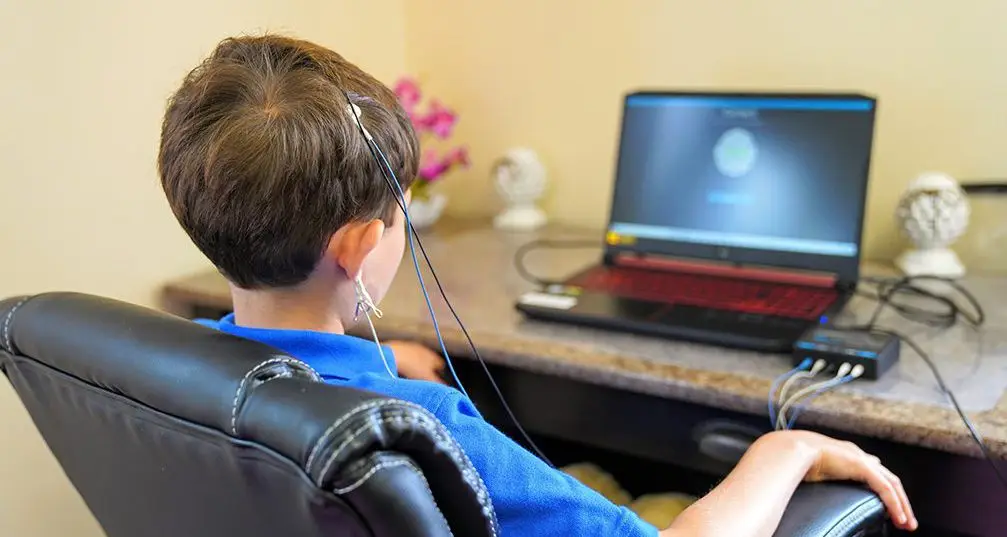
Neurotherapy is a non-invasive approach that trains the brain to regulate its own activity. Families and individuals across the Northern Rivers are asking more questions about it, especially in relation to focus, sleep, mood and stress.
This guide explains how neurotherapy works, what sessions involve and how the approach differs for children, teens and adults. If you are comparing local options, a https://www.ncau.com.au/locations/byron-bay-neurotherapy-clinic/ can outline what an initial assessment covers before you commit to a program.
Before you start, speak with your GP. They can rule out medical causes for symptoms and help you decide if neurotherapy suits your situation alongside other care.
How Neurotherapy Works
Most neurotherapy in Australia uses neurofeedback, a form of biofeedback based on brainwave activity. The process usually follows three steps:
- Assessment: A practitioner records brain activity with an EEG, often called a QEEG or brain map. Sensors sit on the scalp and only read signals. Nothing is sent into the brain.
- Training plan: The practitioner compares your results with typical patterns and sets training goals.
- Sessions: You watch a screen or listen to audio while sensors track your brainwaves. When activity moves towards the target pattern, the screen or sound responds. Over time, the brain learns to repeat that pattern.
Programs often run for 20 to 40 sessions, with one to three sessions per week.
Neurotherapy for Children
Children usually train while watching a show or playing a simple game, which keeps sessions easy to tolerate. Parents commonly ask about neurotherapy for:
- Attention and concentration difficulties, including ADHD
- Sleep problems
- Emotional regulation and anxiety
- Learning challenges
Keep teachers informed so they can note changes in the classroom. Neurotherapy can sit alongside other supports, such as speech pathology or occupational therapy, rather than replace them.
Neurotherapy for Teens
Teenagers face heavy demands, from NAPLAN in Year 9 to HSC study in Years 11 and 12. Neurotherapy for teens often targets:
- Focus during study
- Exam stress and anxiety
- Irregular sleep patterns
- Low mood
Involve your teen in setting goals. Teens who understand the process and choose their own targets tend to stay engaged across a full program.
Neurotherapy for Adults
Adults often turn to neurotherapy for stress, burnout, poor sleep, anxiety or concentration problems. Some explore it after a concussion or alongside psychological therapy. Sessions follow the same structure as for younger clients, with goals linked to work, relationships and daily functioning.
Practical Points for Australians
Check these details before booking:
- Qualifications: Ask about training and registration. Psychologists and many other health practitioners are registered with AHPRA, and some also hold neurofeedback certification.
- Costs: Medicare does not generally cover neurofeedback. Some private health funds offer rebates when a registered psychologist delivers it, so confirm with your fund.
- Evidence: Research supports neurofeedback for some concerns, such as ADHD, while evidence for others is still developing. Ask the practitioner to explain the evidence for your goals.
- Commitment: Results build over many sessions, so plan for the time and travel involved.
The Bottom Line
Neurotherapy trains the brain through real-time feedback, and practitioners adapt it for children, teens and adults. Talk to your GP, ask clear questions about qualifications, cost and evidence, and set measurable goals before you begin.